MOST RECENT

Hepatitis A (HAV): Rapid review


·       Introduction.
·       Signs and symptoms.
·       Diagnosis.
·       Prevention.
·       Treatment.
·       Transmission.
·       Some hygiene information to protect yourself.

Introduction:
·   Hepatitis A(infectious hepatitis) is acute infectiousdisease of the liver caused by hepatitis a virus.
·   The incidence of theinfection is high in the developing countries andin regions with poor hygiene standards and theillness is contracted in early childhood.
·   The incubation period (time between the infection and theappearance of symptoms) is between 2 to 6 weeks{average 28 days}.
·   Hepatitis a doesn'thave chronic stages, isn’t progressive, and doesn’t cause permanent liverdamage.
·   HA infection causes no clinical signs and symptoms in over 90% of theinfected children and the infection confers lifelongimmunity as following the infection, AB are formed that confers immunityagainst further infection.
Signs and symptoms:
·   Symptoms may bemistaken for influenza (fever ,fatigue,abdominal pain , diarrhea, appetite loss, itching, nausea, jaundice, urine of dark color, stool oflight color)
·   The color of urineis due to the excretion of bile in it and the color of feces is due to lack ofbilirubin.
·   Symptoms can returnover the 6-9 months
·   Mortality is lessthan 0.5%
Diagnosis:
·    IgM antibody isonly present in the blood following an acute hepatitis A infection (detectablefrom 1-2 weeks after the infection and persists for up to 14 weeks.
·   the presence of IgGantibody in the blood mean that acute stage is past and the person is immune tofurther infection
·   IgG is also found inthe blood after vaccination and tests for immunity to the virus are based onthe detection of this Ab.
Prevention:
·   Hepatitis A can beprevented by (vaccination,good hygiene and sanitation).
·   The vaccine is givenby injection into the muscle of the upper arm.
·   The vaccines, (e.g. Havrix and VAQTA)contain no live virus and are very safe.
·   Initial doseprovides protection for 2-4 weeks after vaccination and the second dose(booster dose) is given 6-12 months later, provides protection up to 20 years.
·   N.B. vaccine is given before the infection as it doesn'twork after the exposure.
·   Vaccine isn'trecommended for children younger than 2 years as it's ineffective for them.
·   If you have beenexposed to person who is infected with HAV, there is treatment that may preventyou from becoming infected, it’s called immune globulinand is more likely to be effective when given 2 weeks of exposure.
·   [Immune globulin isa preparation of Ab that can fight the virus in the body] given safely inchildren younger than 2 years, pregnant women and breast feeding.
·   some samples takento study ocean water quality was found to have HAV specially after rains soit's advisable not to go to oceans in coastal areas in this time.
Treatment:
·   There is no specific treatment for hepatitis A, but symptomatic treatment (rest, well balanced diet, stay hydrated)and avoid fatty foods and alcohols.
·   N.B. avoid taking medicine or any substance can cause harmto the liver e.g. acetaminophen.
·   The low % of deathsoccur usually in older ages (>50 years) and in those suffering another formof viral hepatitis (C or B).
Transmission:
·   By fecal-oral route, poor sanitation, overcrowding,ingestion of shellfish cultivated in polluted water and by blood transfusionbut this is very rare.
·   Fecal-oral routemean that when a person put something in his mouth that has been contaminatedwith faeces of an affected person.
·   N.B. people whodon't have symptoms can still spread the virus.
Some hygiene information to protectyourself:
·   Wash yourhands thoroughly every time you use the bathroom,before touching or preparing food, and before touching others. Wash carefullywith soap and warm water and dry thoroughly.
·   Contaminated surfaces should be cleaned with household bleach tokill the virus. Heat food or water to 185°F or85°C to kill the virus.
--------------------------------------------------------------------------------------------------------------------------

Prepared by: Pharmacist/ Mustafa Abdel Tawab.
Resources:
Color atlas of pharmacology.
Drugs.com.                           -  Master of Egyptian drugs.
Wikipedia.                            -  Master of Saudi drugs.
Copyrights: All rights are reserved for pharmacist development group 2009 - 2011.
  

9:06 PM | Posted in , , | Read More »

Mebendazole (Vermox) : drug card

Drug name
# Mebendazole.
Brand name
# Vermox.
Class of drug
# Anthelmintic.
Indications
# Anthelmintic (Pinworms, Roundworms, hookworms, whipworms).
# Capillariasis.
Mechanism of action
# Inhibits uptake of glucose and other nutrients
by parasitic helminths.
route / Dosage form
# Route : Oral only.
# Dosage form : Sus:- 20mg/ml,Tab:- 100mg.
Dose
# Pinworms
* Adults, children >12 years: 100 mg as single dose. Repeat in 2 weeks if infection persists. Treat other family members.
# Roundworms, hookworms, whipworms
* 100 mg b.i.d. for 3 days. Repeat dose in 3–4 weeks.
# Capillariasis
* Pediatric: 200 mg b.i.d. for 20 days. Its use in children <2 years is considered a relative contraindication.
Pregnancy / Lactation
# Pregnancy: Category C.
# Lactation: Probably present in minute amounts in breast milk. May continue breastfeeding.
Adverse reactions
# Common: diarrhea, abdominal pain, nausea, vomiting.
# Serious: bone marrow suppression, hepatitis, hypersensitivity reactions.
Important interactions
# Drugs that decrease effects/
toxicity of mebendazole: phenytoin, carbamazepine, cimetidine.
Contraindications / precautions
# Use with caution in patients with liver disease, ulcerative colitis, Crohn’s ileitis.
Other notes
# Food: Take with food.
Practical notes
# Avoid driving and other activities requiring mental alertness or that are potentially dangerous until response to drug is known.
# Patient and family members should shower frequently if
   possible.
# Keep hands away from mouth.
# Keep fingernails short and clean.
# Do not shake bedding as this could result in airborne spread of ova.
# Counsel patient’s family members to check for worm infestation and treat accordingly.
# Disinfect toilet daily; wash all fruits and vegetables; cook all meats and vegetables thoroughly.
# Wear gloves when preparing food.
# Patient and family members should be taught how to avoid
   reinfestation with these worms. The following measures
   should be undertaken to avoid reinfection:
  (1) perianal area should be washed thoroughly;
  (2) hands and fingernails should be cleaned before meals and after defecation;
  (3) undergarments and bedclothes should be changed daily.
# Mebendazole is the drug of choice for whipworm; it can produce up to 70% cure with a single treatment. The cure rate for roundworms, pinworms, and hookworms is 90–100%. The criterion for cure is negative perianal swabs for 7 days.
# For those treated for hookworm and whipworm: it may be necessary to take an iron supplement every day and for 6 months following treatment if anemia is present.
Generic names
# Egypt :Antiver,Vermin,Anthelmin,Mebamox,Verm1.
# KSA :- Vermox,Bendazole,Parazole,wormazole.
# prepared by : Dr.Mohamed Abd Elrahman
# References:  - Handbook of clinical drug data, 10th edition. - Clinician'shandbook of prescription drugs . - Physicians' Drug Manual 2005 Edition . -Egyptian drug index . - Saudi drug index .
=========================================================================

free counters

10:13 PM | Posted in , , , | Read More »

Gallstones : rapid review

# How are the gallstones formed :-


* Bile help the body to digest fat , it is made in the liver , stored in the gallbladder until the body need it.
Cholesterol secreted from the liver into the bile, it's held in solution forming micellar complexes with bile acids & phospholipids
* Gallstones : are small pebble-like substances develop in the gall bladder [Cholelithiasis: stones in the gall bladder or in the bile duct, cholidocholilethiasis: obstruction of the common bile duct]

* When cholesterol level increase (secreted more than which can be emulsified ) it precipitates forming gallstones .

* Gallstones may be as small as a grain of sand or as large as a golf ball & may be one or hundred or combination of 2 .

* Gallstones can block the flow of the bile if lodged in any of the ducts  present (types of ducts are hepatic duct: carry the bile out of the liver, cystic duct: carry bile to & from gallbladder, common bile duct: takes bile from cystic & hepatic to the small intestine)

            # Types :-

* Gallstones are of 2 types :
1- cholesterol stones 80% .
2- pigment stones (of bilirubin).

# Causes :-

* Causes of gallstone formation:
1-too much cholesterol or bilirubin .
2-not enough bile salts .
3-gallbladder doesn't empty completely often enough .

# Risk factors :-

* People at risk for gallstones include :-
• women—especially women who are pregnant, use hormone replacement therapy, or take birth control pills .
• people over age 60 .
overweight or obese men and women .
• people who fast or lose a lot of weight quickly .
• people with a family history of gallstones .
• people with diabetes .
• people who take cholesterol-lowering drugs .

 # Symptoms :-
* Symptoms: (start to appear when stone become more than 8mm)
1-Steady pain in the upper abdomen .
2-pain in the right shoulder.
3-nausea .
4-fever.
5-jaundice .

* The symptoms appear suddenly so ,it's called gallbladder attack & usually follow fatty meals & may be during night .

* Silent stones: with no symptoms & no need for treatment.


# Diagnosis :-

* All stones are of mixed content to some extent (cholesterol 30-70%) + ca salts . so because of their calcium content they can be diagnosed radiologically. (ultrasound & ct) .
blood test also needed to look for infection, obstructionpancrititis .
                      
 # Treatment :-


-drug therapy play a subordinate role compared with surgical therapy (as with drug , gallstones may recur again after stoppage of the drug) therapy .


-administrating more bile acids [ursodeoxycholic acid (ursofalk) ® or chenodeoxycholic acid] decrease gallstones because they emulsify cholesterol and prevent its precipitation .

* Conditions must be provided to attain adv of bile acid administration :
- Gallstones volume less than 15mm, gall bladder with normal function, no liver disease , normal body weight, long term administration of bile acids.


*references: color atlas of pharmacology, drugs.com, wikepedia, medicine.net, master of Egypt's drugs, master of Sadie's drugs .

*prepared by : Dr. Mostafa Abd eltawab .
*all rights are reserved for pharmacist development group .
=============================================================================
free counters

10:04 PM | Posted in , , | Read More »

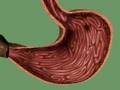
The digestion in the stomach : video

* Where do the gastric glands are found ?
* How do the pepsinogen is converted to pepsin ?
* What are the functions of parietal cells and chief cells in the stomach ?


    free counters


    4:11 PM | Posted in , , | Read More »

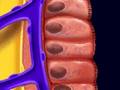
    The digestion in the small intestine : video

    * What are functions of villi and microvilli ?
    * How do the carbohydrates, proteins and fats are digested in the small intestine ?
    * What is lacteal and what is its function ?


      free counters


      1:44 PM | Posted in , , | Read More »

      Digestive system overview : video

      * What are the parts of digestive system ?
      * What is the role of amylase in digestion ?
      * What is lacteal and what is its function ?


        free counters


        1:34 AM | Posted in , , | Read More »

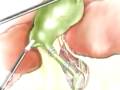
        Understanding of gallstones : video

        * Where does bile is stored ?
        * How do the gallstones is formed ?
        * What are the symptoms of blocked gall bladder ?


        free counters


        12:13 AM | Posted in , , | Read More »

        Recently Commented

        Recently Added