MOST RECENT

Hepatitis A (HAV): Rapid review


·       Introduction.
·       Signs and symptoms.
·       Diagnosis.
·       Prevention.
·       Treatment.
·       Transmission.
·       Some hygiene information to protect yourself.

Introduction:
·   Hepatitis A(infectious hepatitis) is acute infectiousdisease of the liver caused by hepatitis a virus.
·   The incidence of theinfection is high in the developing countries andin regions with poor hygiene standards and theillness is contracted in early childhood.
·   The incubation period (time between the infection and theappearance of symptoms) is between 2 to 6 weeks{average 28 days}.
·   Hepatitis a doesn'thave chronic stages, isn’t progressive, and doesn’t cause permanent liverdamage.
·   HA infection causes no clinical signs and symptoms in over 90% of theinfected children and the infection confers lifelongimmunity as following the infection, AB are formed that confers immunityagainst further infection.
Signs and symptoms:
·   Symptoms may bemistaken for influenza (fever ,fatigue,abdominal pain , diarrhea, appetite loss, itching, nausea, jaundice, urine of dark color, stool oflight color)
·   The color of urineis due to the excretion of bile in it and the color of feces is due to lack ofbilirubin.
·   Symptoms can returnover the 6-9 months
·   Mortality is lessthan 0.5%
Diagnosis:
·    IgM antibody isonly present in the blood following an acute hepatitis A infection (detectablefrom 1-2 weeks after the infection and persists for up to 14 weeks.
·   the presence of IgGantibody in the blood mean that acute stage is past and the person is immune tofurther infection
·   IgG is also found inthe blood after vaccination and tests for immunity to the virus are based onthe detection of this Ab.
Prevention:
·   Hepatitis A can beprevented by (vaccination,good hygiene and sanitation).
·   The vaccine is givenby injection into the muscle of the upper arm.
·   The vaccines, (e.g. Havrix and VAQTA)contain no live virus and are very safe.
·   Initial doseprovides protection for 2-4 weeks after vaccination and the second dose(booster dose) is given 6-12 months later, provides protection up to 20 years.
·   N.B. vaccine is given before the infection as it doesn'twork after the exposure.
·   Vaccine isn'trecommended for children younger than 2 years as it's ineffective for them.
·   If you have beenexposed to person who is infected with HAV, there is treatment that may preventyou from becoming infected, it’s called immune globulinand is more likely to be effective when given 2 weeks of exposure.
·   [Immune globulin isa preparation of Ab that can fight the virus in the body] given safely inchildren younger than 2 years, pregnant women and breast feeding.
·   some samples takento study ocean water quality was found to have HAV specially after rains soit's advisable not to go to oceans in coastal areas in this time.
Treatment:
·   There is no specific treatment for hepatitis A, but symptomatic treatment (rest, well balanced diet, stay hydrated)and avoid fatty foods and alcohols.
·   N.B. avoid taking medicine or any substance can cause harmto the liver e.g. acetaminophen.
·   The low % of deathsoccur usually in older ages (>50 years) and in those suffering another formof viral hepatitis (C or B).
Transmission:
·   By fecal-oral route, poor sanitation, overcrowding,ingestion of shellfish cultivated in polluted water and by blood transfusionbut this is very rare.
·   Fecal-oral routemean that when a person put something in his mouth that has been contaminatedwith faeces of an affected person.
·   N.B. people whodon't have symptoms can still spread the virus.
Some hygiene information to protectyourself:
·   Wash yourhands thoroughly every time you use the bathroom,before touching or preparing food, and before touching others. Wash carefullywith soap and warm water and dry thoroughly.
·   Contaminated surfaces should be cleaned with household bleach tokill the virus. Heat food or water to 185°F or85°C to kill the virus.
--------------------------------------------------------------------------------------------------------------------------

Prepared by: Pharmacist/ Mustafa Abdel Tawab.
Resources:
-  Color atlas of pharmacology.
-  Drugs.com.                           -  Master of Egyptian drugs.
-  Wikipedia.                            -  Master of Saudi drugs.
Copyrights: All rights are reserved for pharmacist development group 2009 - 2011.
  

9:06 PM | Posted in , , | Read More »

Hyperparathyroidism : note


• Hyperparathyroidism results from anincrease in the secretion of PTH (parathyroid hormon)
• The most common cause (80% of thecases) is a benign tumour of
parathyroid tissue in one of theglands.
• Hyperparathyroidism leads tohypercalcaemia and bone demineralization.
• The resultant hypercalcaemia canalso lead to hypophosphataemia, which
has deleterious effects on thecardiovascular, respiratory and muscular
systems, leading to generaldebility.
• Drug treatments include the use ofa loop diuretic such as furosemide,
biphosphonates and calcitonin.

free counters

11:13 PM | Posted in , , | Read More »

Cystic fibrosis : note


• Patients with cystic fibrosissecrete very viscous mucus in the lung and
suffer repeated lung infections.The pancreas is also affected and patients
are deficient in pancreaticenzymes; this reduces digestion and absorption
of nutrients, so affecting growth.
• The viscous mucus in cysticfibrosis is difficult to clear from the lung:
patients need physical therapy andpostural drainage to clear the airways.
• Sweat glands have sympatheticcholinergic innervation. Patients with cystic
fibrosis secrete a large amount ofsalt in their sweat and this forms the basis
of a diagnostic test for thecondition.
• Since cystic fibrosis patients lackdigestive enzymes, enzyme preparations
containing amylase, lipase andproteases are prescribed in order to improve
intestinal absorption of nutrients.

free counters

12:43 AM | Posted in , , | Read More »

Obstructive lung disease : note


• Lung volumes are changeddifferently by restrictive and obstructive disease.
• Obstructive lung disease iscommonly associated with smoking or prolonged
exposure to industrial smokes andfumes.
• The destruction of lung tissue in emphysema is permanent andirreversible.
• There may be an inflammatorycomponent in obstructive lung disease, and
a trial of corticosteroids andbronchodilators is recommended.
• Patients with obstructive lungdisease who smoke should be helped to quit
smoking in order to reduce theirrisk of heart disease and to decrease
mortality.

free counters

10:56 AM | Posted in , , | Read More »

Thyroid hormone disorders : lecture


-Thyroid gland & Thyroid hormones.
-How does Thyroid hormone is formed ?
-Regulation of secretion.
-Hypothyroidism.
-Treatment of hypothyroidism .
-Administration of Levothyroxin.
-Levothyroxin interactions.
-Levothyroxin cautions.
-Hyperthyroidism .
-Symptoms & treatment of Hyperthyroidism.
-Removal of part or all of the thyroid.
-Blockade of hormone release .
-Inhibition of thyroid hormone synthesis.
-Mechanism of action of antithyroid.
-Administration of antithyroid drugs.
-Antithyroid drugs interactions.
-Antithyroid drugs cautions.
-General notes.
-Practical notes on levothyroxin.
-Practical notes on antithroid drugs.
-Rapid review.
-Test yourself.


free counters

6:03 PM | Posted in , , , | Read More »

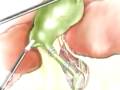
Gallstones : rapid review

# How are the gallstones formed :-


* Bile help the body to digest fat , it is made in the liver , stored in the gallbladder until the body need it.
* Cholesterol secreted from the liver into the bile, it's held in solution forming micellar complexes with bile acids & phospholipids . 
* Gallstones : are small pebble-like substances develop in the gall bladder [Cholelithiasis: stones in the gall bladder or in the bile duct, cholidocholilethiasis: obstruction of the common bile duct]

* When cholesterol level increase (secreted more than which can be emulsified ) it precipitates forming gallstones .

* Gallstones may be as small as a grain of sand or as large as a golf ball & may be one or hundred or combination of 2 .

* Gallstones can block the flow of the bile if lodged in any of the ducts  present (types of ducts are hepatic duct: carry the bile out of the liver, cystic duct: carry bile to & from gallbladder, common bile duct: takes bile from cystic & hepatic to the small intestine)

            # Types :-

* Gallstones are of 2 types :
1- cholesterol stones 80% .
2- pigment stones (of bilirubin).

# Causes :-

* Causes of gallstone formation:
1-too much cholesterol or bilirubin .
2-not enough bile salts .
3-gallbladder doesn't empty completely often enough .

# Risk factors :-

* People at risk for gallstones include :-
• women—especially women who are pregnant, use hormone replacement therapy, or take birth control pills .
• people over age 60 .
• overweight or obese men and women .
• people who fast or lose a lot of weight quickly .
• people with a family history of gallstones .
• people with diabetes .
• people who take cholesterol-lowering drugs .

 # Symptoms :-
* Symptoms: (start to appear when stone become more than 8mm)
1-Steady pain in the upper abdomen .
2-pain in the right shoulder.
3-nausea .
4-fever.
5-jaundice .

* The symptoms appear suddenly so ,it's called gallbladder attack & usually follow fatty meals & may be during night .

* Silent stones: with no symptoms & no need for treatment.


# Diagnosis :-

* All stones are of mixed content to some extent (cholesterol 30-70%) + ca salts . so because of their calcium content they can be diagnosed radiologically. (ultrasound & ct) .
*  blood test also needed to look for infection, obstruction & pancrititis .
                      
 # Treatment :-


-drug therapy play a subordinate role compared with surgical therapy (as with drug , gallstones may recur again after stoppage of the drug) therapy .


-administrating more bile acids [ursodeoxycholic acid (ursofalk) ® or chenodeoxycholic acid] decrease gallstones because they emulsify cholesterol and prevent its precipitation .

* Conditions must be provided to attain adv of bile acid administration :
- Gallstones volume less than 15mm, gall bladder with normal function, no liver disease , normal body weight, long term administration of bile acids.


*references: color atlas of pharmacology, drugs.com, wikepedia, medicine.net, master of Egypt's drugs, master of Sadie's drugs .

*prepared by : Dr. Mostafa Abd eltawab .
*all rights are reserved for pharmacist development group .
=============================================================================
free counters

10:04 PM | Posted in , , | Read More »

Understanding of allergy : video

* What is allergy?
* Which are the common allergens ?
* How does the body response to an allergen ?


    free counters

    12:24 AM | Posted in , , , | Read More »

    Understanding of pneumonia : video


    * What is pneumonia ?
    * What are the causes of pneumonia ?
    * What are the symptoms of pneumonia ?


      free counters

      11:14 PM | Posted in , , | Read More »

      The dental abscess : video

      * What is the cause of dental abscess ?
      * Why does the abscess area swell ?
      * What are the treatments of dental abscess ?


        free counters

        9:44 PM | Posted in , , , , | Read More »

        Understanding of diabetes : video

        * What is the role of insulin ?
        * How does insulin affect blood glucose level ?
        * What is the difference between type 1 and type 2 of diabetes ?


          free counters

          10:40 PM | Posted in , , | Read More »

          Understanding of myocardial infarction : video

          * How does the thrombus occur in heart artery ?
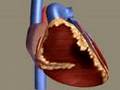
          * How does the Myocardial Infarction occur ?
          * What are the symptoms of myocardial infarction ?


            free counters

            8:22 PM | Posted in , , | Read More »

            Erectile dysfunction : video

            * What are the causes of erectile dysfunction ?
            * How to erctile dysfunction ?
            * What are the method of erectile dysfuncyion treatment ?


              free counters

              6:24 PM | Posted in , , , | Read More »

              Understanding of osteoporosis : video

              * What is the function of osteoplast and osteoclast ?
              * What is happened at fifteen years old for bone ?
              * What is the cause of bone fragility at seventy five ?


                free counters


                2:21 AM | Posted in , , , | Read More »

                Understanding of asthma : video

                * What is asthma and what are its causes ?
                * Where are the following in the respiratory system : trachea, bronchi, broncheols, alveoli, cilia, mucus ?
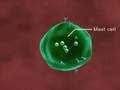
                * What is the role mast cells and histamine in occurring of asthma and what is the effect of epinephrine on them ?


                  free counters


                  8:16 PM | Posted in , , | Read More »

                  Recently Commented

                  Recently Added